NCHATS Researcher Discusses Reducing Suicide Risk in Prison System on NPR
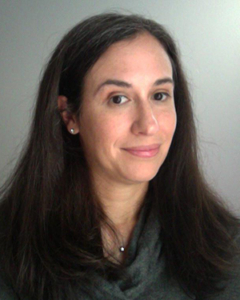
In a recent Here & Now / WBUR segment examining suicide in U.S. jails, Dr. Lauren Weinstock, Professor of Psychiatry and Human Behavior
Brown University, emphasizes how incarceration amplifies preexisting vulnerabilities among people entering detention. She notes that many individuals already carry risk factors such as mental health struggles or substance use, and the stressful, uncertain conditions of the booking process can further elevate suicide risk.
“ What we know about people who often find themselves in jails and prisons is that they typically have preexisting risk factors for suicide,” Weinstock said. “When you combine those with the stressful conditions of jail or prison detention, that can often exacerbate underlying risk.”
In her view, jails are often under-resourced and lack access to detainees’ health histories, making it difficult for staff to anticipate and prevent crises. She urges more staffing, clearer institutional policies, and environmental modifications (e.g. reducing ligature risk, rethinking cell design) to help reduce harm. Weinstock also underscores a broader pattern: approximately 20 % of U.S. suicide decedents had spent at least one night in jail in the year before their death, indicating that interventions must bridge both jail and community settings.
As a co–principal investigator of NCHATS (National Center for Health and Justice Integration for Suicide Prevention), Weinstock contributes to the center’s mission of connecting criminal legal systems and health systems to prevent suicide. NCHATS, funded by the National Institute of Mental Health, works to establish “information bridges” between justice settings and healthcare, to identify individuals who face elevated suicide risk in justice contact, and to test pragmatic, cost-effective suicide prevention strategies in these contexts. The consortium spans 36 investigators across 18 institutions and partnerships, aiming to integrate jails, health systems, police, and corrections agencies in a public health approach to suicide prevention.